
HERstory
The women who made history
In the 16th and 17th centuries, while their husbands fought the Ottoman wars, the noblewomen of Upper Hungary, today’s Slovakia, ran estates, managed money, defended castles and shaped politics. Each portrait sits beside the gown HERITAGE recreated for her.
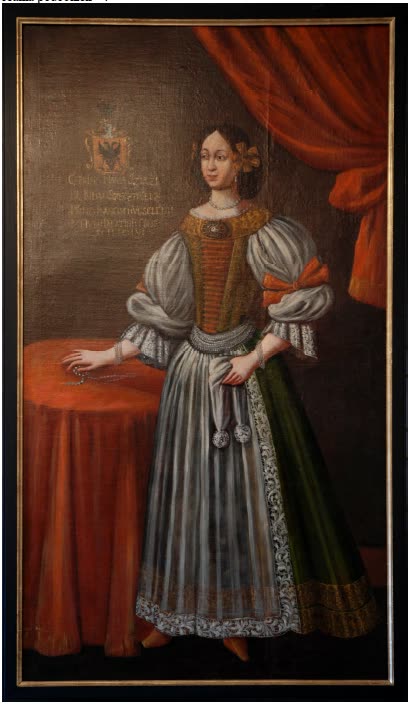

1610 – 1679
Mária Széchy
The Venus of Muráň
She rode, hunted, shot and wore men’s clothes, and they called her the Venus of Muráň. In 1644 the emperor sent Ferenc Wesselényi to take her castle, and instead of attacking he sent her a love letter. One night his men climbed the walls on ropes she had ordered woven “for the household”. Muráň fell without a single battle, and three days later she married him.
She was not obedient. She was not quiet. And that is exactly why she made history.

1570 – 1640
Alžbeta Czoborová
The Lady Palatine
She grew up never learning to read or write. Her husband, Palatine Juraj Thurzo, taught her, and soon she was writing his letters, keeping the accounts and advising him on politics. While he was at war she ran the wine and salt trade, the brewery in Bytča and the army’s supplies. She was such a famous healer that Alžbeta Báthory herself wrote to her for a remedy.
She began life with few expectations and ended it as one of the most influential women of her time.
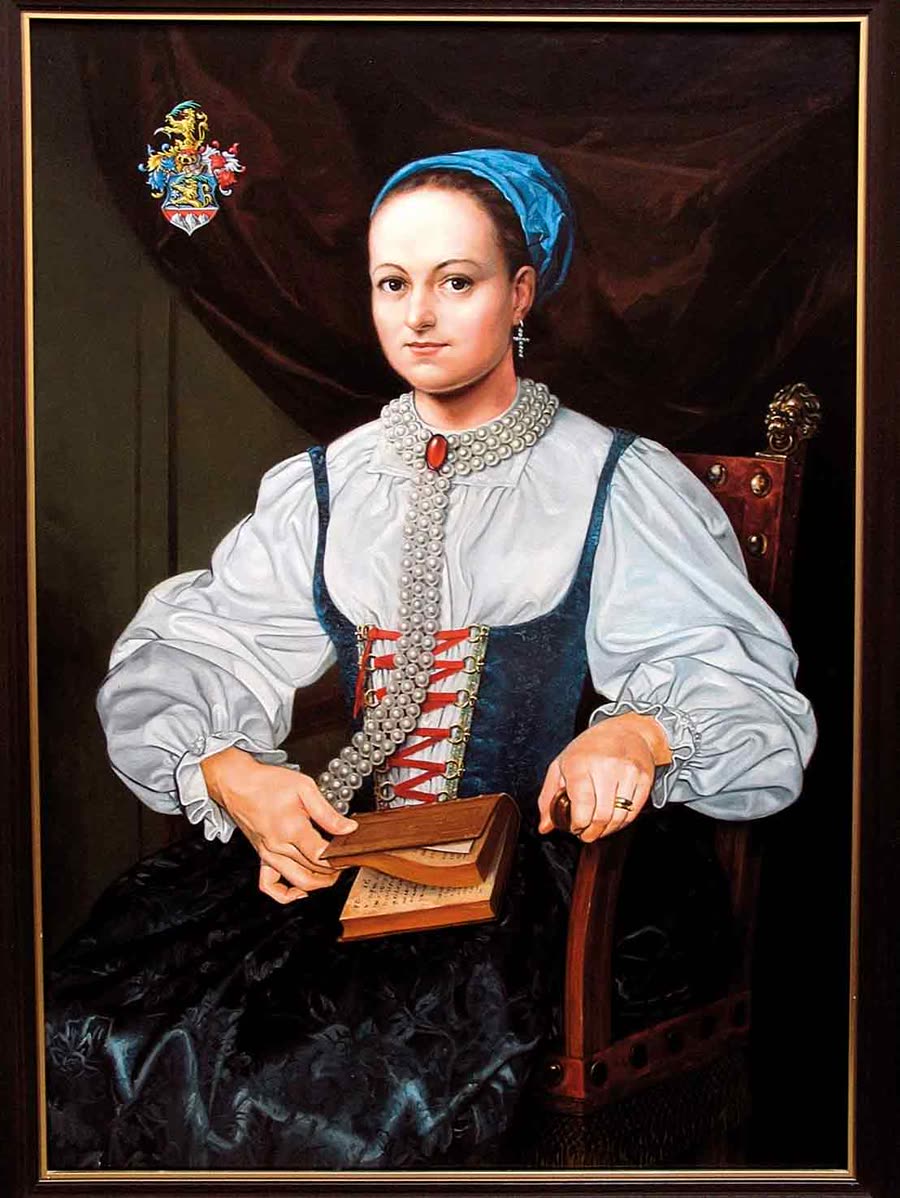
1609 – 1644
Žofia Bosniaková
The Lady of Strečno
The lady of Strečno Castle fed the poor, and Slovaks still eat the bread rolls named after her: bosniaky. She died young, in 1644, the same year her husband won Mária Széchy and Muráň. Decades later her body was found almost untouched by time, and pilgrims came to see it for centuries, until a fire destroyed it in 2009.
Kindness can be a legacy too.
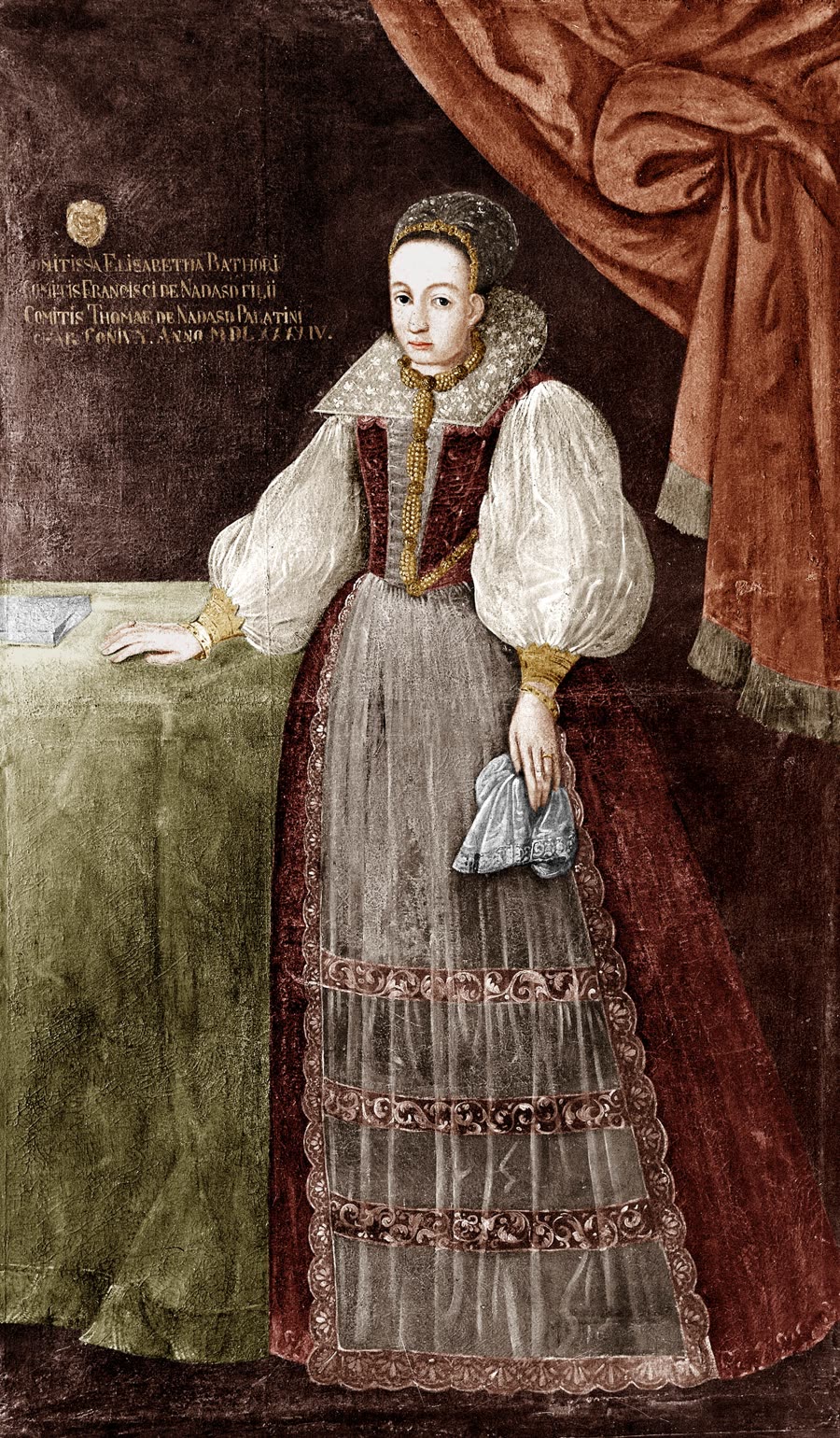
1560 – 1614
Alžbeta Báthory
Before the legend
Before she became a legend, she was the richest woman in Hungary: educated, fluent in several languages, and running vast estates while her husband fought the Ottomans. In 1610 she was arrested, never tried, and never allowed to speak in her own defence. She spent her last years locked away in her own castle at Čachtice. Her last recorded words: “My hands are cold.”
How does a capable Renaissance noblewoman become one of the darkest legends in European history?